I am lucky and live in South Florida, so I see butterflies a lot in the winter. Just today I saw a monarch. When I lived in CA>, I saw the monarch butterflies in migration in Santa Cruz. There were 100's of thousands of them and they clung to each other with their wings closed. They made the trees look like willows. Simply amazing!
MOURNING CLOAK
In Butterflies of North America, Jeffrey Glassberg describes the mourning cloak butterfly: "Above, there is nothing like a Mourning Cloak, with its plush brown velvety color, studded with royal blue and edged in ochre." It is, indeed, a handsome butterfly in its own right. But when you find a mourning cloak butterfly warming itself in the sun on one of the last days of winter, you may think it's the most beautiful sight you've seen in months.
Mourning cloaks are some of our longest-lived butterflies, with adults surviving as long as 11 months. By the end of winter, individuals may be noticeably tattered. On late winter days when the temperature is mild, they may emerge to feed on tree sap (most often oak) and sun themselves. Throw some bananas and cantaloupe on top of your garden compost heap, and you might find them enjoying a late winter snack.
Scientific Name:
Nymphalis antiopa
Range:
Nearly all of North America, with the exception of the Florida peninsula and the southernmost parts of Texas and Louisiana.
Habitat:
Woodlands, stream corridors, urban parks
Adult Size:
2-1/4 to 4 inches
QUESTION MARK
Question marks like habitats with open spaces, so suburban butterfly enthusiasts have a good chance of finding this species. It's larger than other anglewing butterflies. The question mark butterfly has two distinct forms: summer and winter. In the summer form, the hindwings are almost entirely black. Winter question marks are mainly orange and black, with violet tails on the hindwings. The underside of the butterfly is drab, except for the contrasting white question mark symbol that gives this species its common name.
Question mark adults feed on carrion, dung, tree sap, and rotting fruit, but will visit flowers for nectar if their preferred diet is in limited supply. In some parts of their range, you can lure them out of hiding on warmer March days with overripe fruit.
Scientific Name:
Polygonia interrogationis
Range:
East of the Rockies, from southern Canada to Mexico, with the exception of the southernmost part of Florida.
Habitat:
Wooded areas, including forests, swamps, urban parks, and river corridors
Adult Size:
2-1/4 to 3 inches
MILBERTS TORTOISESHELL
Milbert's tortoiseshell is simply stunning, with a wide orange band of color that gradually fades to yellow at its inner edge. Its wings are outlined in black, and the hindwings are usually marked with bright blue dots on the outer edge. The leading edge of each forewing is decorated with two orange marks.
Although the flight season for Milbert's tortoiseshells is May to October, overwintering adults may be seen in early March. This species can be plentiful one year and rare the next.
Scientific Name:
Nymphalis milberti
Range:
Canada and northern U.S. Occasionally migrates south as far as California, New Mexico, Indiana, and Pennsylvania, but rarely seen in southeastern U.S.
Habitat:
Moist locations where nettles grow, including pastures, woodlands, and marshes.



Page 129 of yvonne401's Comments
Back to yvonne401's profile
Thank so much for the handmade Valentine and art postcard for my AWG February Wishlist! It was very thoughtful!
EF ~ Animal Series #1, Polar Bear Deco Swap
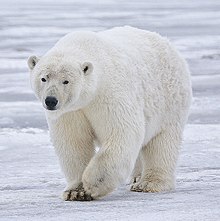



 So sorry the first set didn't work.
I am sending a February wish to all of the usual monthly profilers. Have a wonderful Valentine's Day.
Violet is the flower of the month
Happy Valentine's Day
President's Day
Black History Month
CHWH: Bingo - Thanks for the great selection of postcards that you sent me for winning the bingo game. They are all new to my collection!!!!
I received my CSG Bingo prize today. Thank you so much!!
Thank you for the postcards and envies in AWG January
Yvonne, Very cute video thanks for sharing
BL WINTER BUTTERFLIES
I am lucky and live in South Florida, so I see butterflies a lot in the winter. Just today I saw a monarch. When I lived in CA>, I saw the monarch butterflies in migration in Santa Cruz. There were 100's of thousands of them and they clung to each other with their wings closed. They made the trees look like willows. Simply amazing!
MOURNING CLOAK
In Butterflies of North America, Jeffrey Glassberg describes the mourning cloak butterfly: "Above, there is nothing like a Mourning Cloak, with its plush brown velvety color, studded with royal blue and edged in ochre." It is, indeed, a handsome butterfly in its own right. But when you find a mourning cloak butterfly warming itself in the sun on one of the last days of winter, you may think it's the most beautiful sight you've seen in months.
Mourning cloaks are some of our longest-lived butterflies, with adults surviving as long as 11 months. By the end of winter, individuals may be noticeably tattered. On late winter days when the temperature is mild, they may emerge to feed on tree sap (most often oak) and sun themselves. Throw some bananas and cantaloupe on top of your garden compost heap, and you might find them enjoying a late winter snack.
Scientific Name: Nymphalis antiopa
Range: Nearly all of North America, with the exception of the Florida peninsula and the southernmost parts of Texas and Louisiana.
Habitat: Woodlands, stream corridors, urban parks
Adult Size: 2-1/4 to 4 inches
QUESTION MARK
Question marks like habitats with open spaces, so suburban butterfly enthusiasts have a good chance of finding this species. It's larger than other anglewing butterflies. The question mark butterfly has two distinct forms: summer and winter. In the summer form, the hindwings are almost entirely black. Winter question marks are mainly orange and black, with violet tails on the hindwings. The underside of the butterfly is drab, except for the contrasting white question mark symbol that gives this species its common name.
Question mark adults feed on carrion, dung, tree sap, and rotting fruit, but will visit flowers for nectar if their preferred diet is in limited supply. In some parts of their range, you can lure them out of hiding on warmer March days with overripe fruit.
Scientific Name: Polygonia interrogationis
Range: East of the Rockies, from southern Canada to Mexico, with the exception of the southernmost part of Florida.
Habitat: Wooded areas, including forests, swamps, urban parks, and river corridors
Adult Size: 2-1/4 to 3 inches
MILBERTS TORTOISESHELL
Milbert's tortoiseshell is simply stunning, with a wide orange band of color that gradually fades to yellow at its inner edge. Its wings are outlined in black, and the hindwings are usually marked with bright blue dots on the outer edge. The leading edge of each forewing is decorated with two orange marks.
Although the flight season for Milbert's tortoiseshells is May to October, overwintering adults may be seen in early March. This species can be plentiful one year and rare the next.
Scientific Name: Nymphalis milberti
Range: Canada and northern U.S. Occasionally migrates south as far as California, New Mexico, Indiana, and Pennsylvania, but rarely seen in southeastern U.S.
Habitat: Moist locations where nettles grow, including pastures, woodlands, and marshes.
Adult Size: 1-5/8 to 2-1/2 inches
stopping to say hello!!!
LOOK AT THOSE LITTLE BEAR PAWS!
HAVE A GREAT DAY!!!!